Table of Contents
Community voices
For community intervention
Documenting the lived experience of
Black adults who use opioids and are
in need of treatment
The current opioid overdose crisis is the largest recorded in U.S. history.
Rates are rapidly accelerating for American Indian and Alaska Natives (AI/AN), Black Americans, and Hispanic-origin groups,
with opioid-related overdose mortality rates increasing fastest among Black Americans.

The RESTORE community-academic collaborative is a three-phase clinical intervention development study to increase access to medications for opioid use disorder (MOUD) in community health clinics.
We report data from Phase 1, which included qualitative data collection through one-on-one interviews with 50, self-identified Black adults who use opioids and are in need of treatment.
We aimed to elicit their perceptions, experiences, and attitudes toward opioid use and medications for opioid use disorder (MOUD).
Due to the sensitive nature of the questions being asked, our team held a four-day training to familiarize ourselves with the study methodology, interview questions, and on how to protect the confidentiality of participant responses.
Participants were interviewed in Los Angeles and Oakland California, from November 2024 to June 2025. The age of participants was 18 and over.
The San Diego State University Institutional Review Board reviewed and approved our study protocol.
What did we discover and document?
Eight primary themes emerged from our interviews with Black Californians who use opioids and are in need of treatment. We provide descriptions and examples using the words of the interview participants.
Theme one
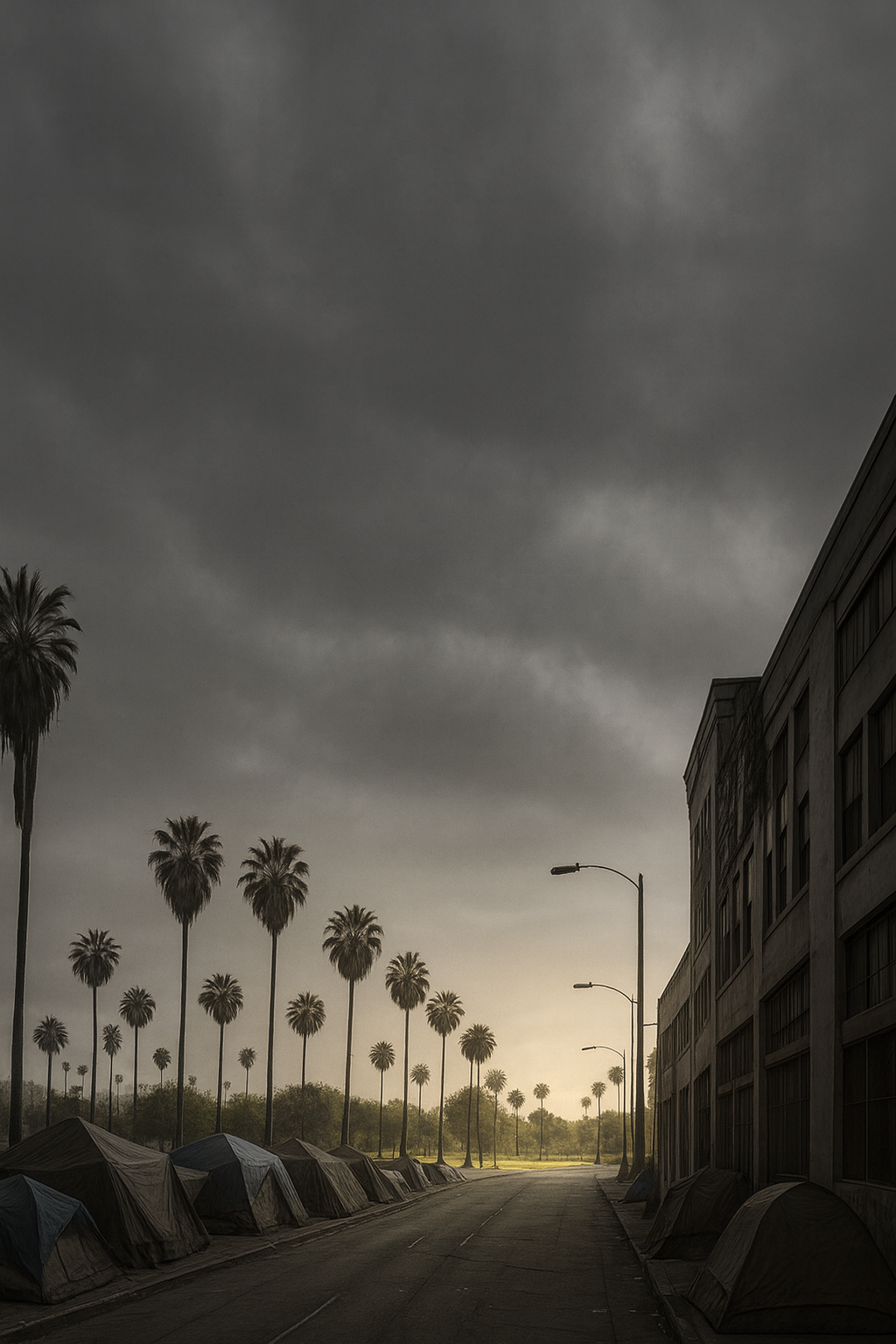
Due to structural racism operating through laws and policies in every system, including healthcare, housing, and criminal justice, Black Californians who use opioids and need treatment lack medical and social services.
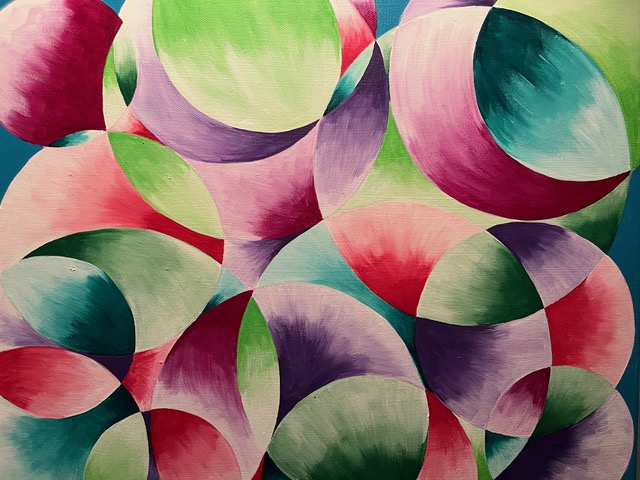
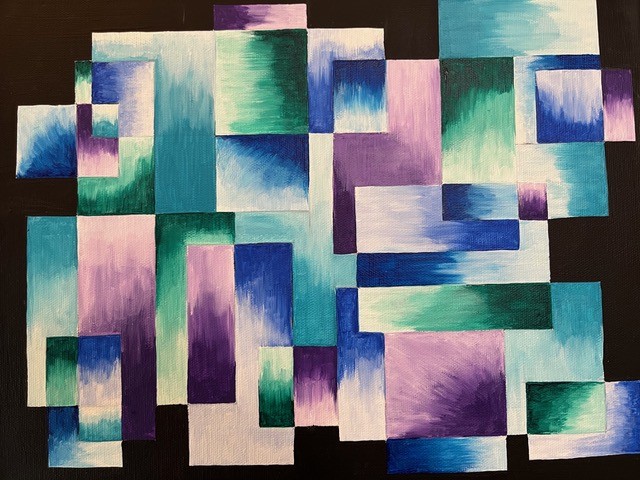
Artwork by
Jacqueline Alexander-Sykes
"At this point I've used fentanyl as a means to help me with my homelessness: just get out of my mind, get out of myself, and get out of my head, and just get high, and just go on a trip."
40 year-old male
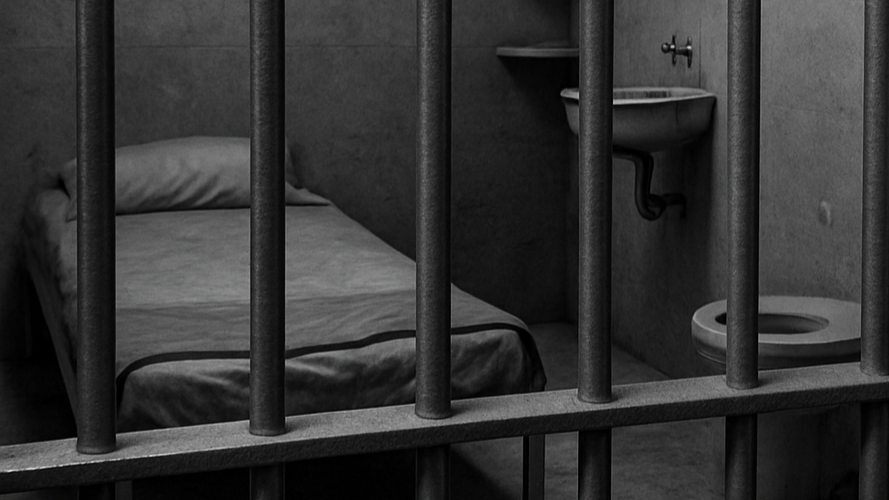
"When I was in jail and I was trying to come down and get healed, and they just left me in a room throwing up and didn't give me anything to help my pain."
53 year-old female
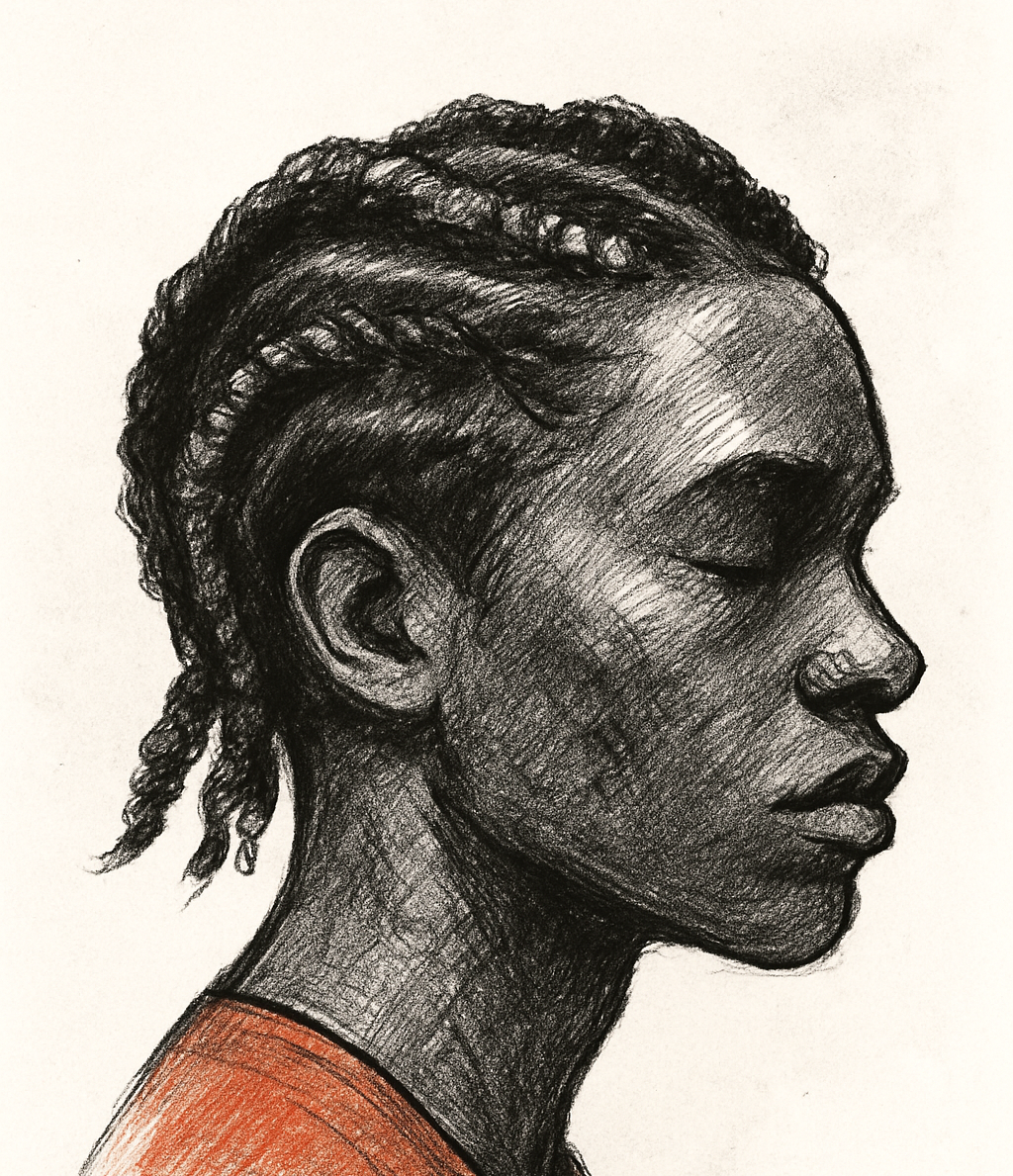
"I don't wanna be around people who are using all these drugs.
I either risk not having shelter or just needing to be surrounded by it all the time because it's everywhere. It's everywhere. Can't find a single encampment unless it's out in the woods away from society."
37 year-old male
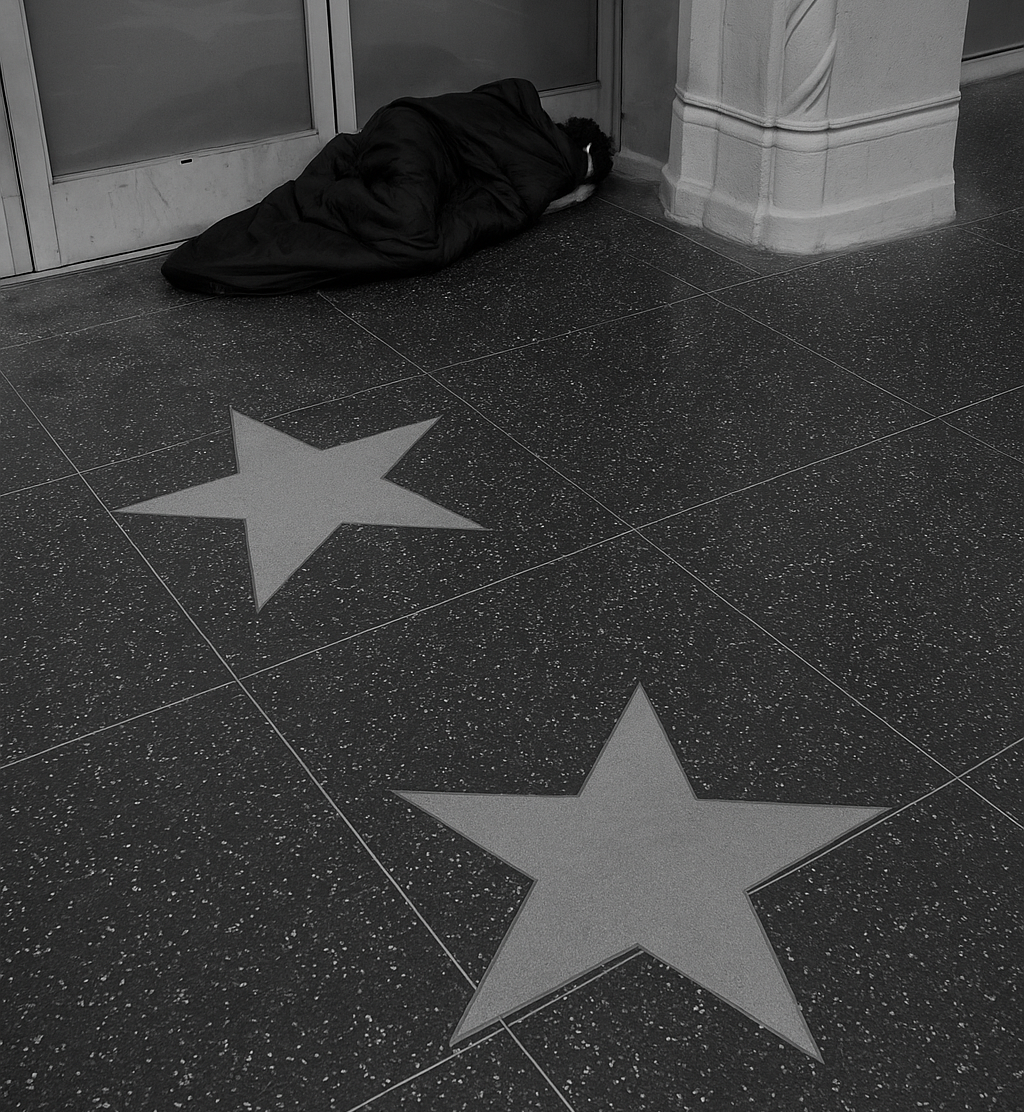
"I have no place to live now.
I don't know where I'm going to sleep tonight. The only thing I have on me are the clothes on my back. And I've never been in that situation before."
56 year-old male
Theme two
Opioid use, stimulant use, and overdose are community norms.
Artwork by
Jacqueline Alexander-Sykes
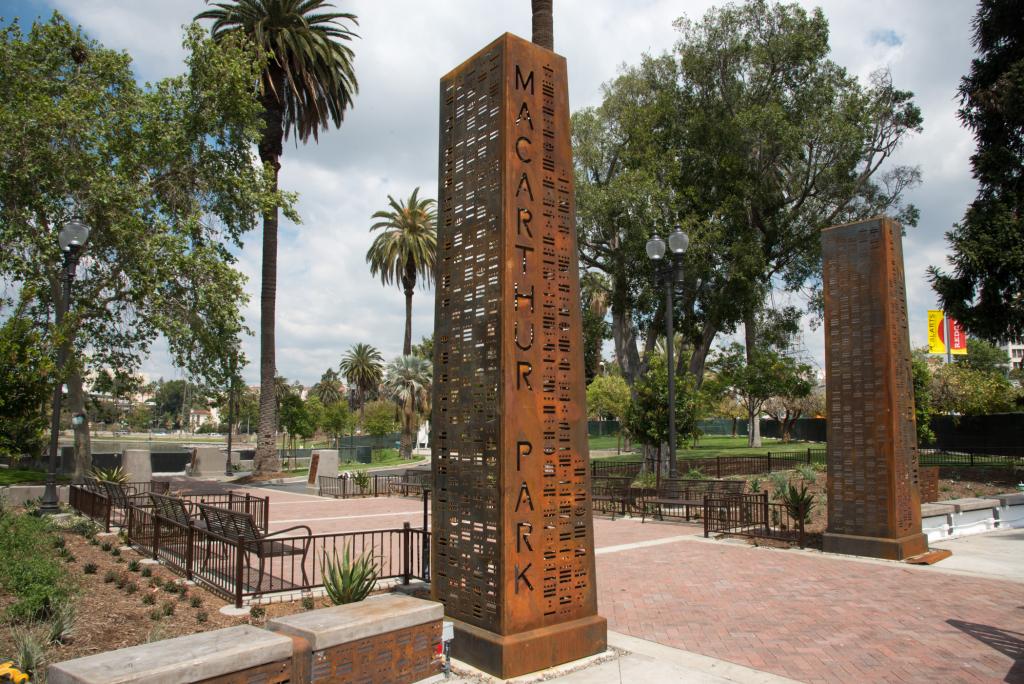
"And the last time I ever did Fentanyl heavily, I overdosed in MacArthur Park. It took them five Narcans to wake me up.
And then, I went home by myself with
no one's help."
21 year-old male
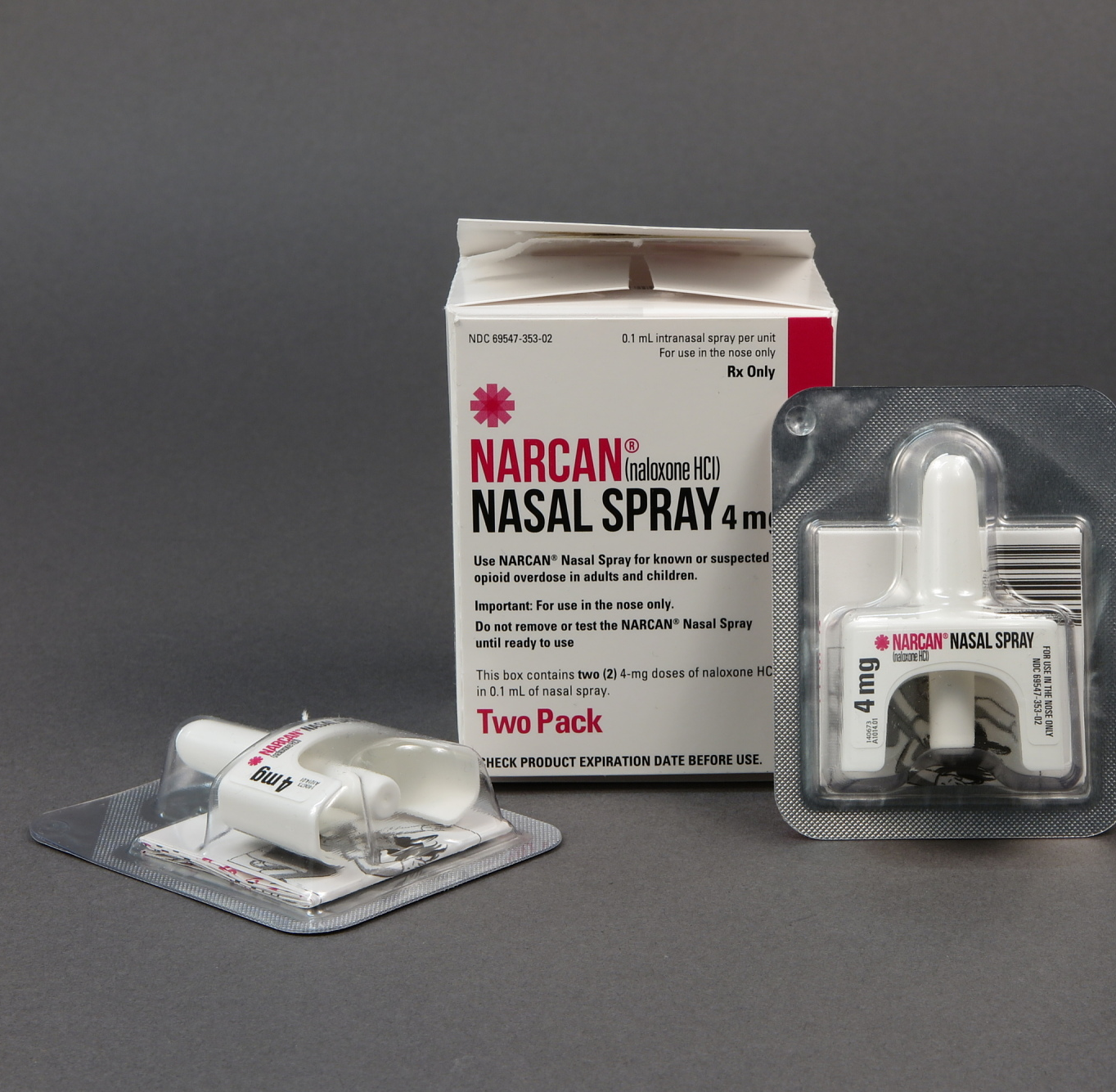
"The drug it hits pretty hard. And so, it can be deadly.
I've OD a couple of times and I've had to have the paramedics resuscitate me with Narcan."
40 year-old male
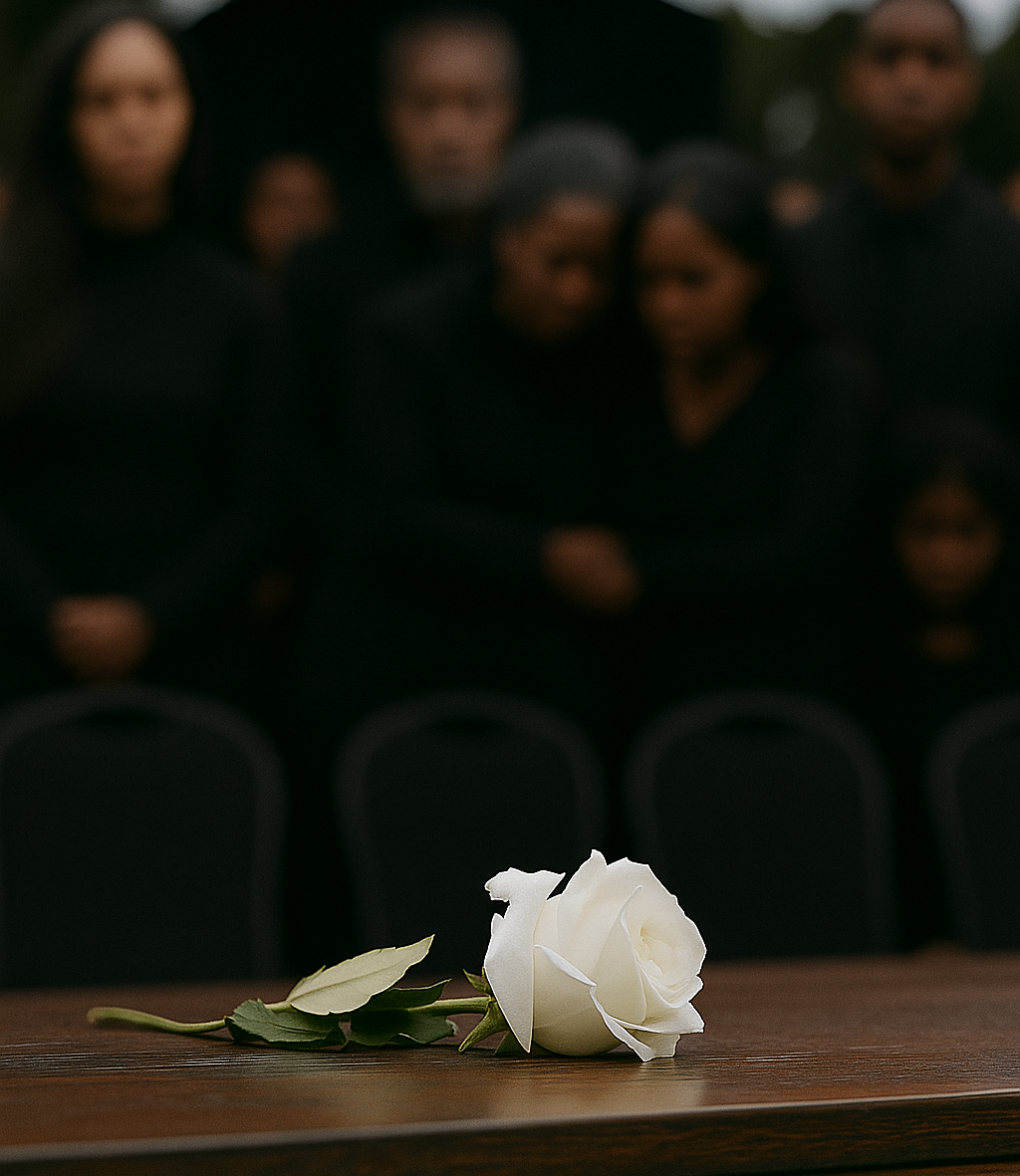
"Because these drugs are killing us.
They're killing us
That's why."
57 year-old female
Theme three
Black Californians who use opioids and need treatment experience lack of trust and delay in seeking medical treatment in healthcare organizations. They want compassion from doctors.
Artwork by
Jacqueline Alexander-Sykes
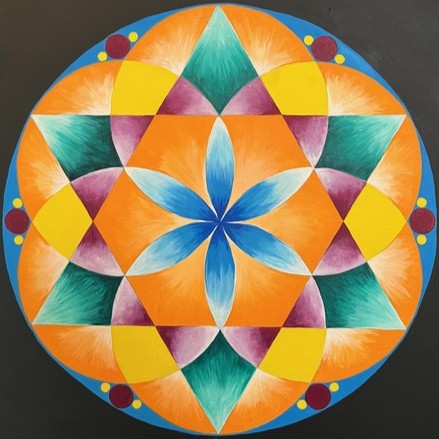
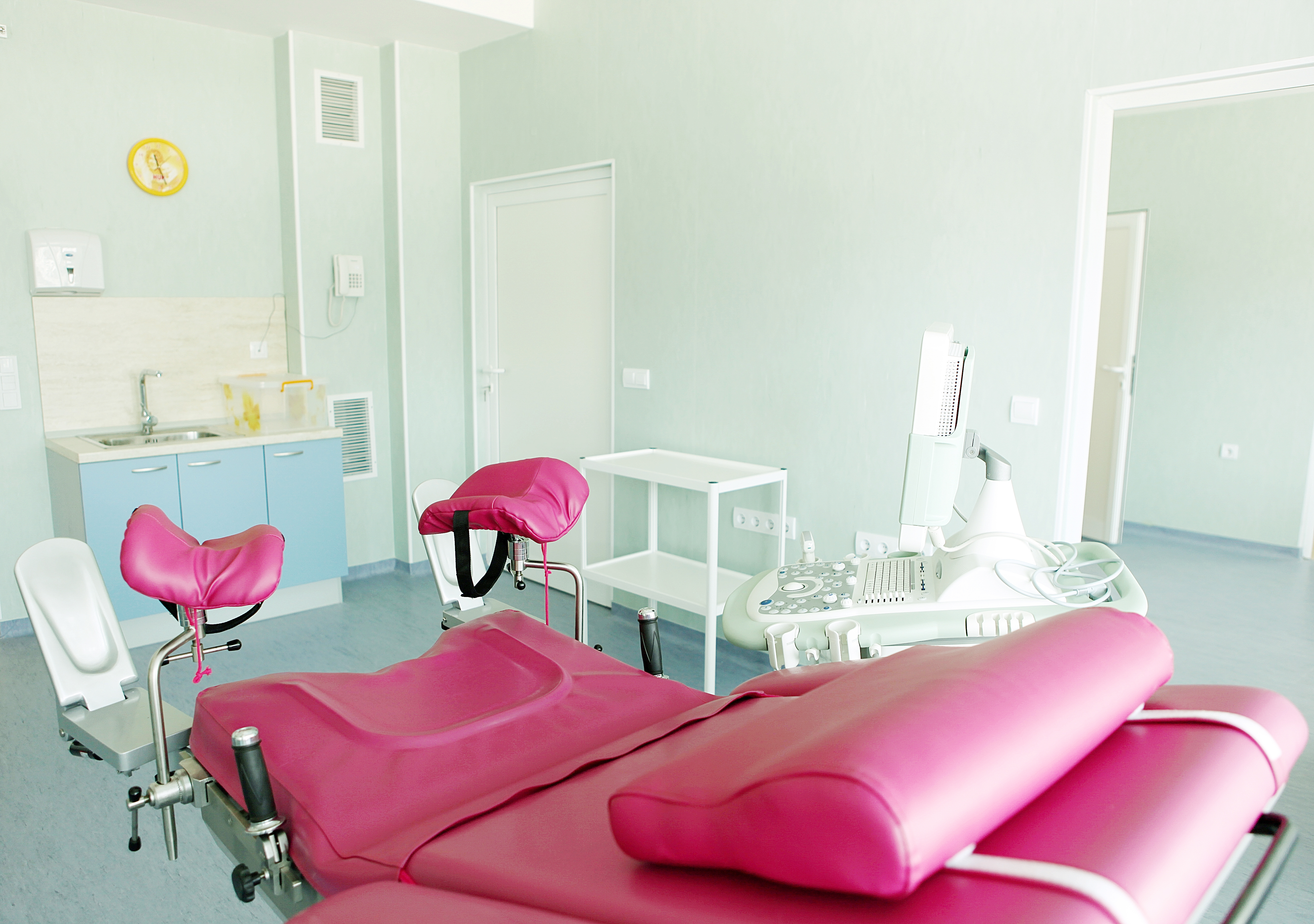
"When I was going into labor with my son I was 15, and I kept telling them I wanted the epidural.
And [the doctor] just kept saying, 'Well, you put yourself in this situation. So, in order to not be here again, I think maybe you should ride it out.'"
35 year-old female

"He [the doctor] said, 'I'm gonna stop you right there. I understand your concern, but you came to me because I'm a medical doctor, and you wanted my opinion on your health. Alright, well, which one of us has the medical degree?'
And at that moment, I was like, I'm gonna f***ing die. Like I don't know my own body that I'm in right now, and I don't have the wherewithal to research what could potentially be wrong?"
37 year-old male
"Just have some patience with me and take me through. Make me understand the things that will help me. If I ask a question, don't get frustrated with me.
I'm asking questions and the doctor get frustrated like I'm asking stupid questions.
God damn it. You don't want to help me?"
51 year-old female
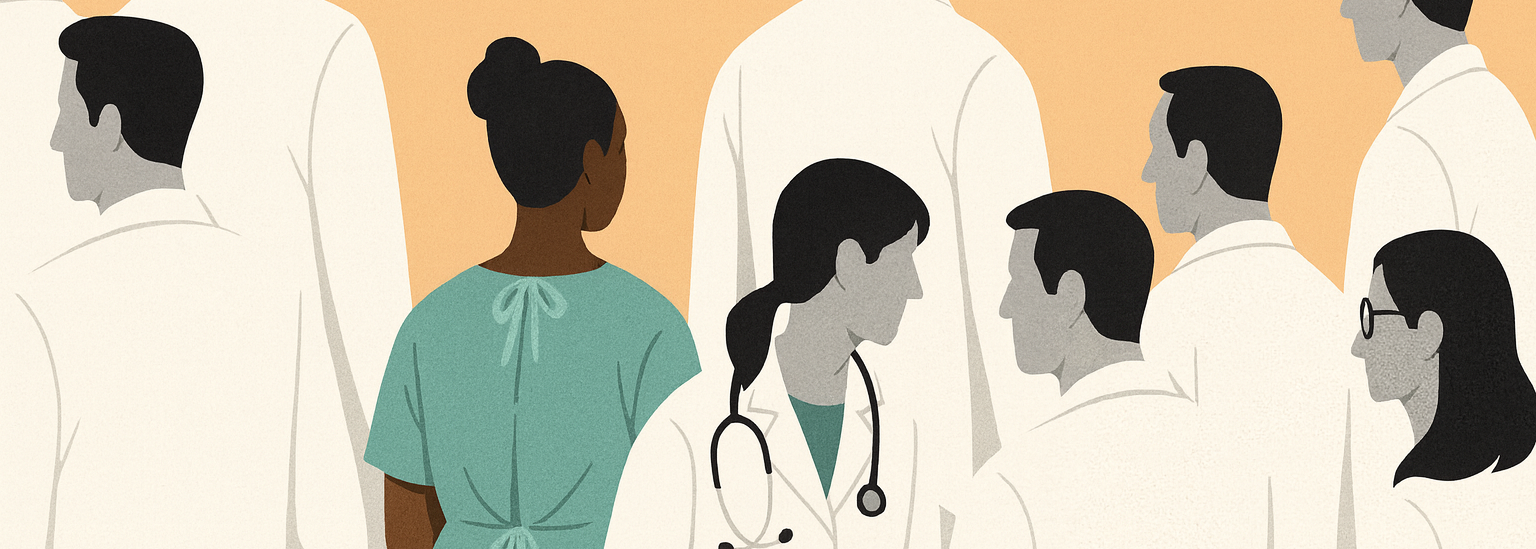
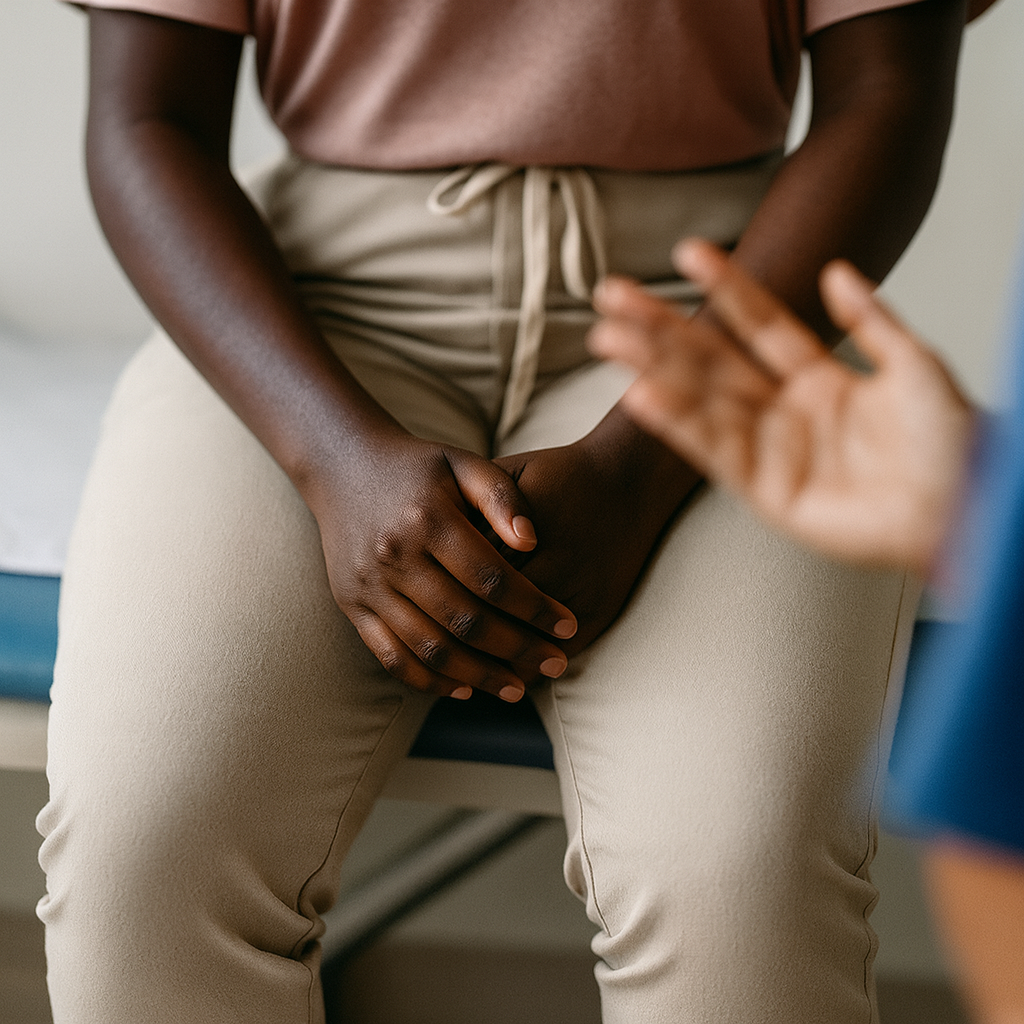
"I don't go to the doctor very often because of the racism...
I'm not going to let somebody practice on me and mess me up because of that stuff."
40 year-old male
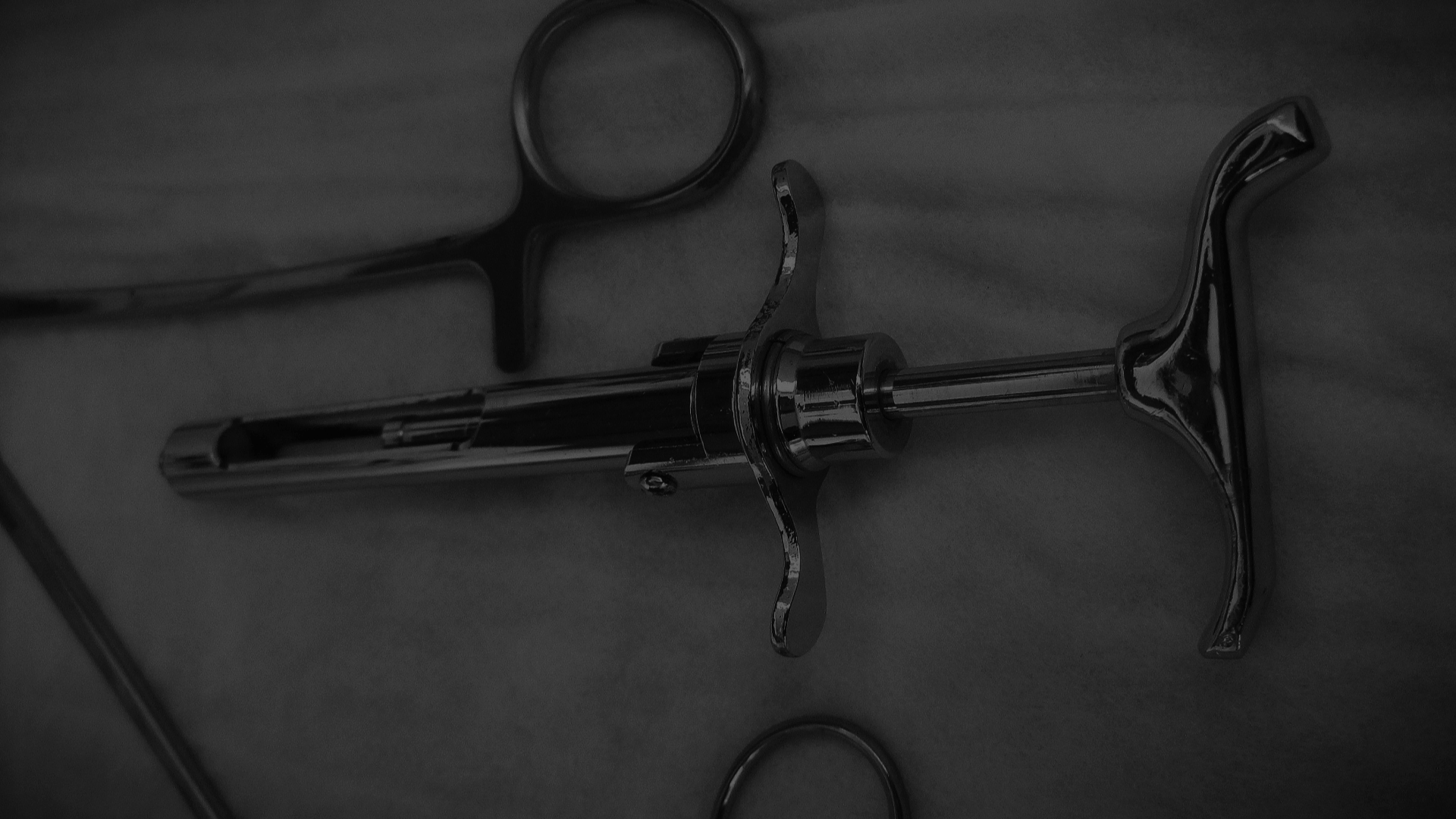
"I had a bad infection in this leg, before they cut it off. And the doctor, I wonder why he did what he did. That's why I asked the nurses after he did what he did.
Bang. I could feel the needle touching my bone. He didn't give me no local or nothing. He just twist and screw it."
72 year-old male
Theme four
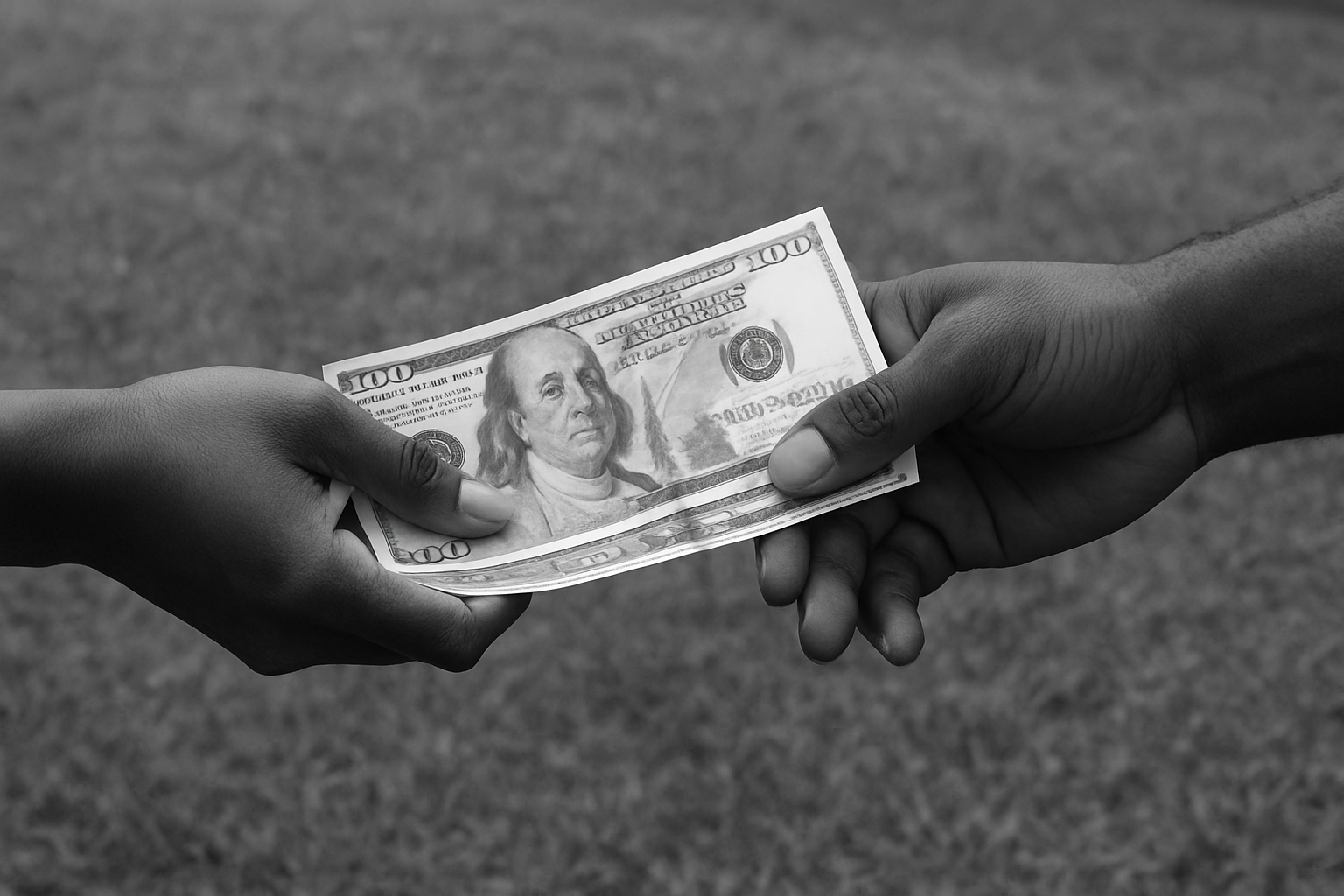
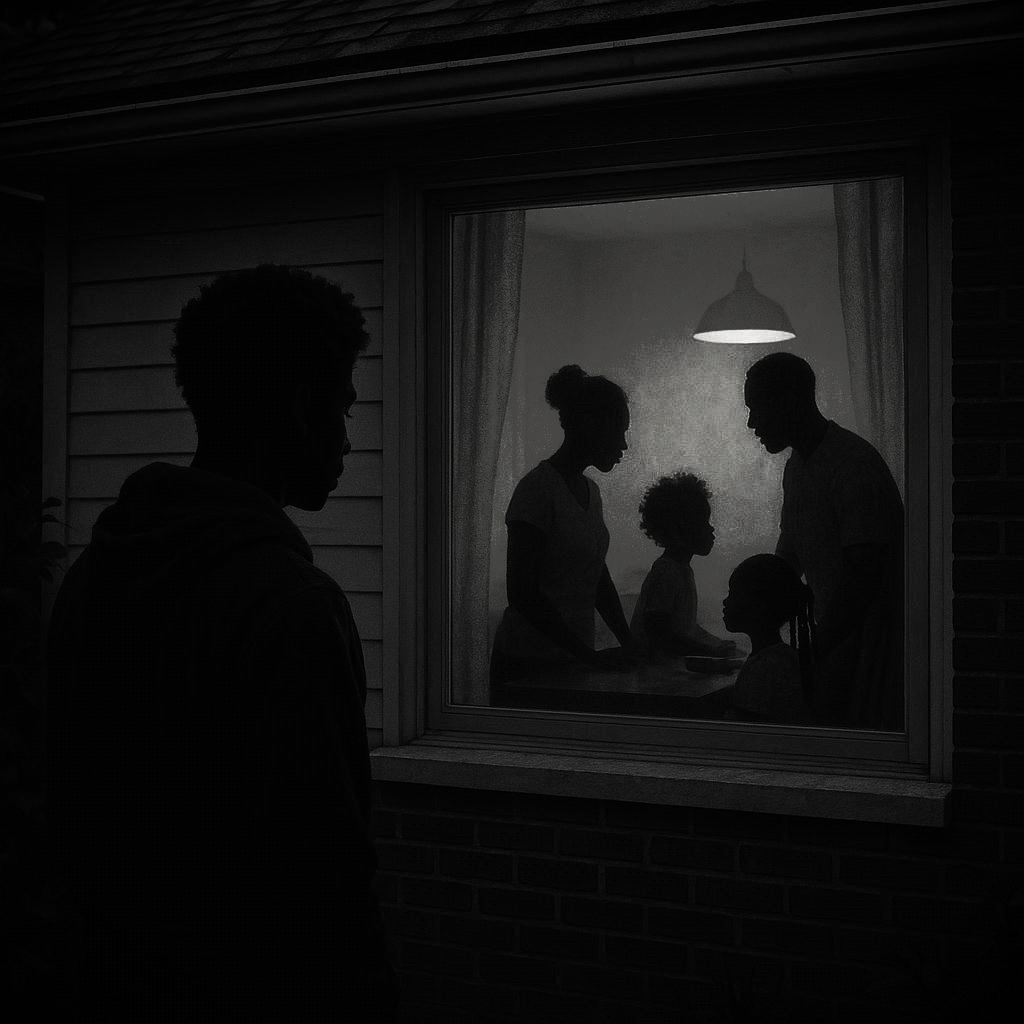
Black Californians who use opioids and need treatment experience lack of social support from family.
Artwork by
Jacqueline Alexander-Sykes
"Well, I had [my son] until he was 6, and then I sent him to his dad's house.
His dad was a meth addict. I didn't know. So then, I was sending money, and I guess he was taking my money and using it for his addiction."
35 year-old female

"My family just done threw me away.
It hurts so bad, so I don't want to talk about that. I really don't."
60 year-old female
"And I didn't know I had affected my family because we always think of addicts like that, 'Oh, I'm only doing it to myself. I ain't hurt nobody.'
And come upon it, yes. I did. I hurt a lot of people because I kept myself away too long. They understand the jail part. But when I'm out here, as long as I've been out here, now, there ain't no excuses for you not to be in their lives.
And they want me in their lives."
57 year-old male
Theme five
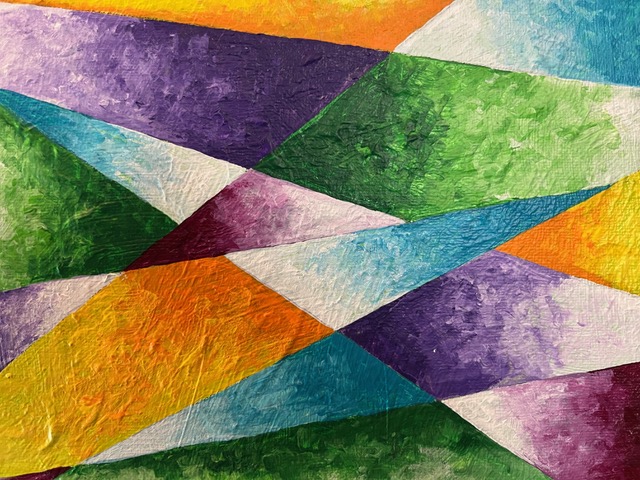
Black Californians have experienced extensive trauma, grief and loss, pain, and internalized stigma.
Artwork by
Jacqueline Alexander-Sykes
"I had shattered my left femur. I broke it in half, shattered my knee, and then my lower back.
So that's what made me start doing a little more than what I was doing because of the pain."
58 year-old male
"There are no support spaces.
And those spaces that are limited and not adequately prepared to deal with the influx of individuals that come in either requiring whatever needs services that they provide and things like that.
So, it's a compounding issue.
It's like you go to a homeless encampment, they may be all hygienic, cool, and fun and chill, but they're not supportive in people not wanting to stay addicted. Because a lot of them prey upon those people and things like that.
So, it becomes this really gross vicious cycle of, well, I need somewhere to be, but I don't wanna be around people who are using all these drugs."
37 year-old male
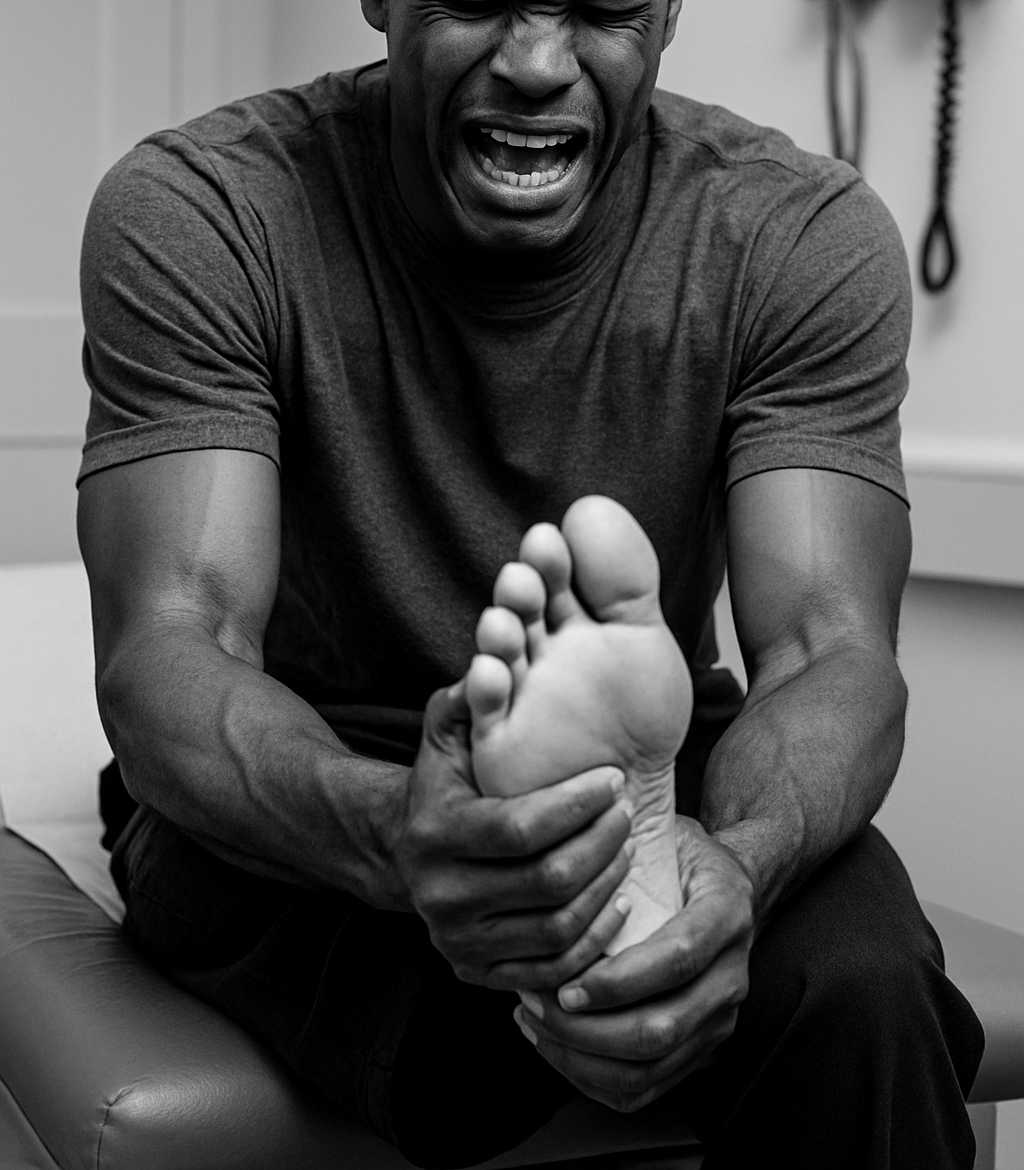
"The reason I use fentanyl is not because I enjoy it. I do it because I'm in so much pain, it hurts so bad. All I do is cry. And when I spasm, it's like a seizure. It's all through my whole body.
Right now, my feet are burning like needles."
57 year-old male
"I've had surgery.
I've worked in construction.
I've worked as a cook.
I've been in a car accident.
Sports in high school.
So from the age of my adolescence to full adulthood, I've just been on and off pain management."
38 year-old male
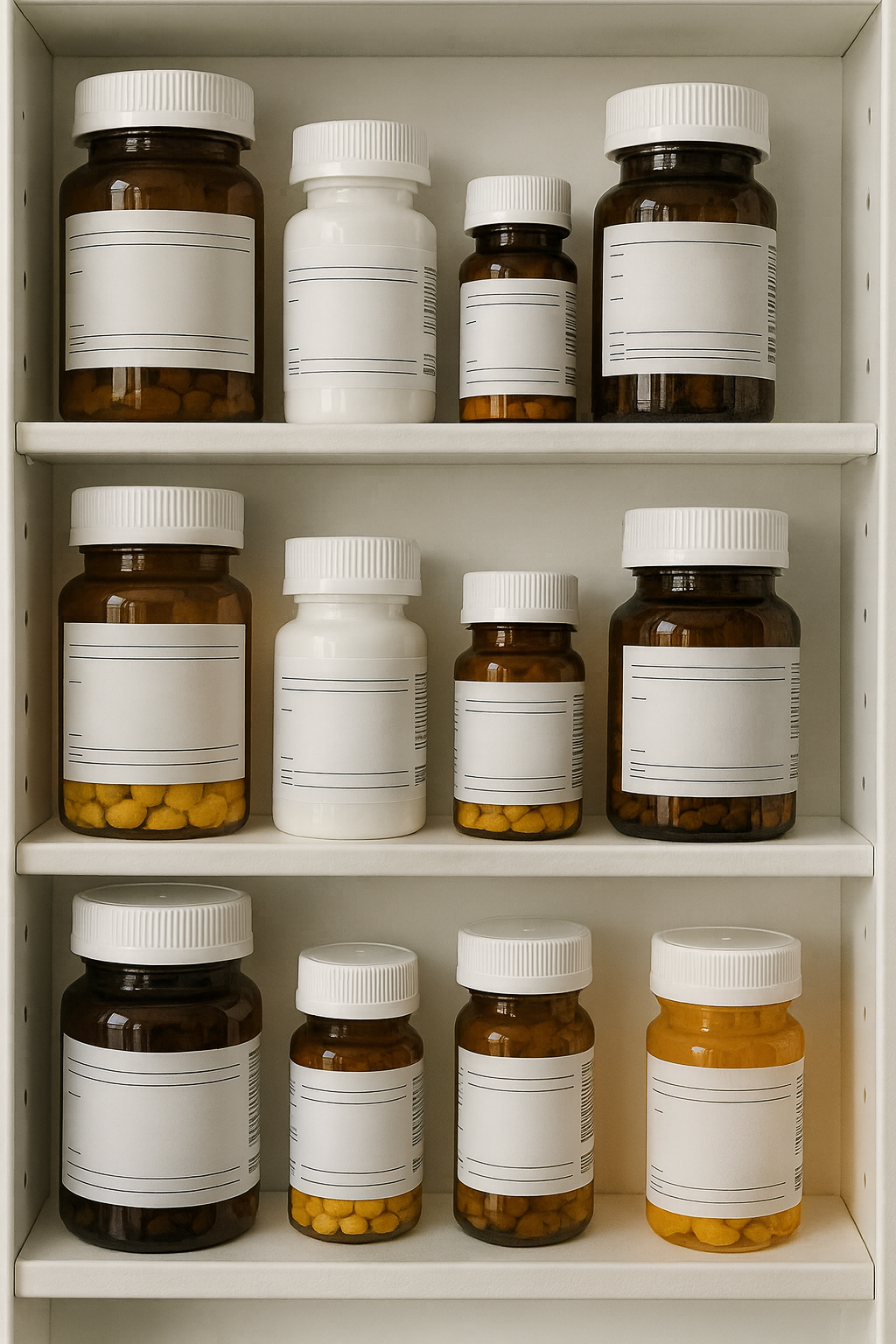
"You see what I do in order for me to lay down and be able to rest and go to sleep without the pain and stuff
because I won't be able to go to sleep with the pain.
I won't be able to go to sleep with the pain."
42 year-old female
Theme six
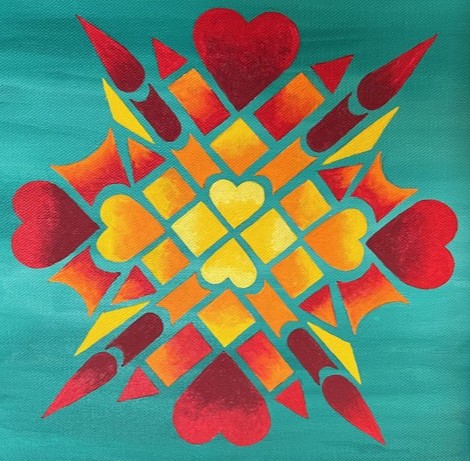
Black Californians want agency over their lives, support, and sobriety.
Artwork by
Jacqueline Alexander-Sykes
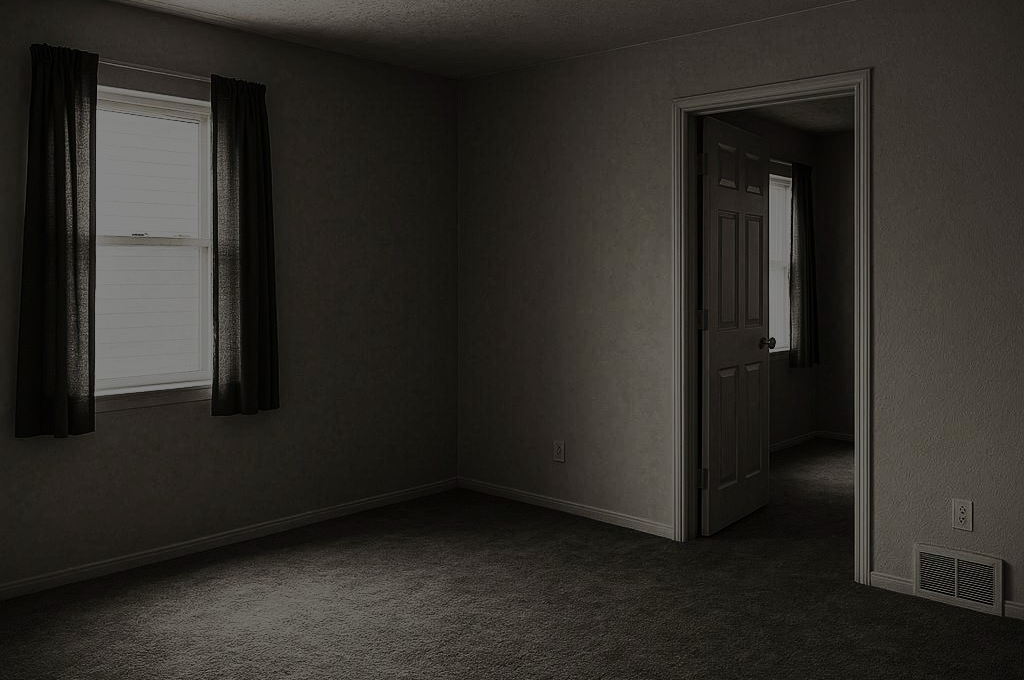
"I just got my first opportunity to live in my own place. I never had a door to my room, living with my family. I didn't have any friends over my whole life.
I'm used to being alone, but in an environment that I have no control over."
21 year-old male
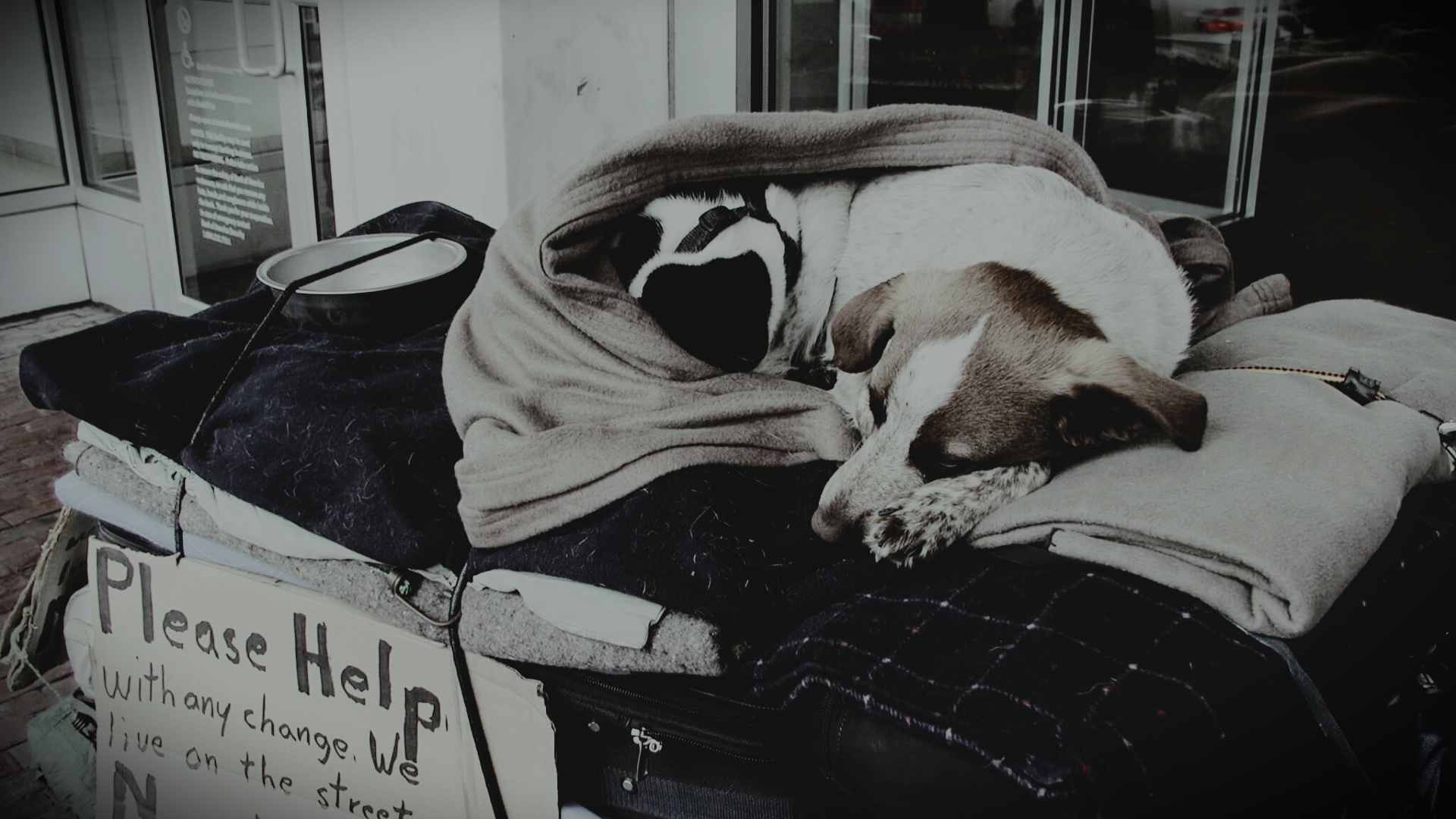
"I just want to have my life back. I don't have my dog anymore. And she turned out to be one of my best friends.
I want my life back.
I want to be away from this. I want to be away from drugs. I want to be away from even alcohol. I just want to be sober, clean.
56 year-old male
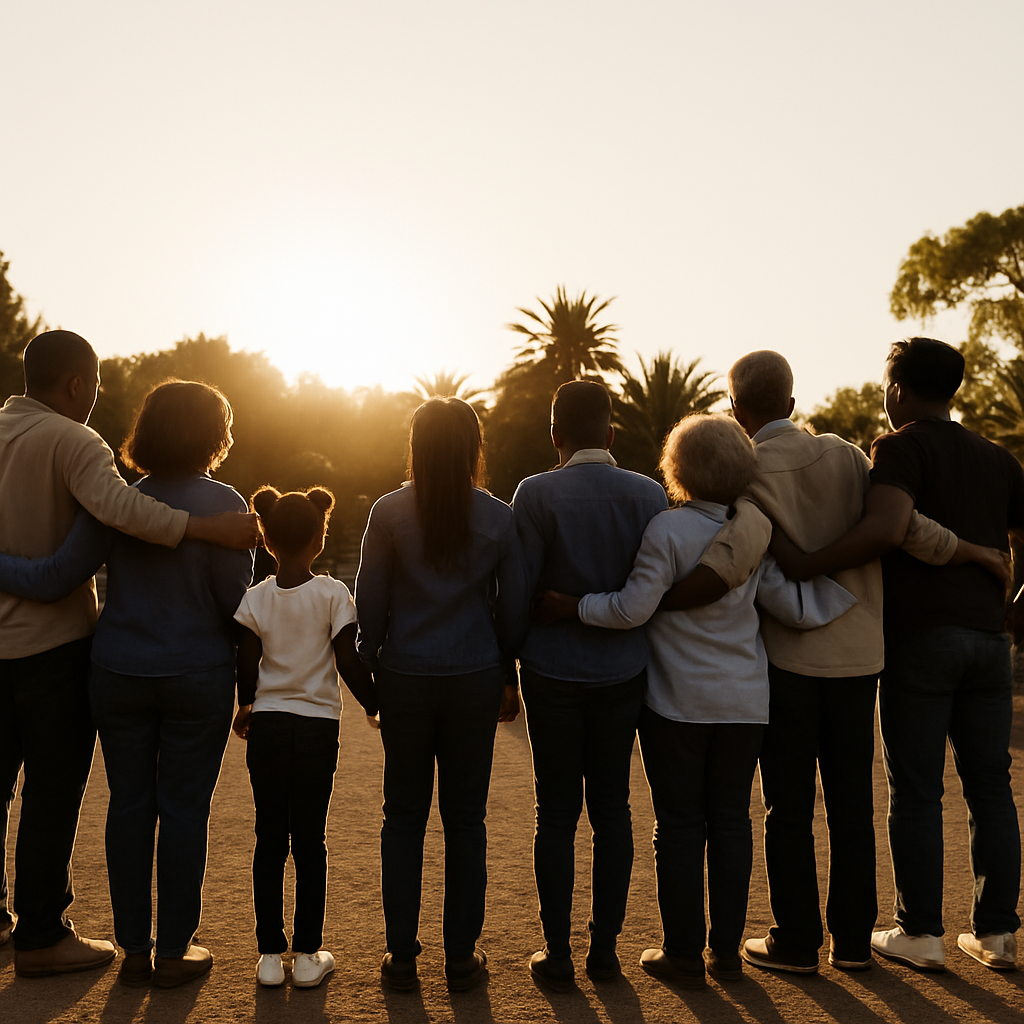
"I want to go do something about it
because I have just had a granddaughter.
Another grandson, and I haven't even seen him yet. I haven't even met him yet.
My daughter won't allow me to. Unless I get clean."
62 year-old female
Theme seven
Some Black Californians are not yet ready for MOUD treatment.
Artwork by
Jacqueline Alexander-Sykes
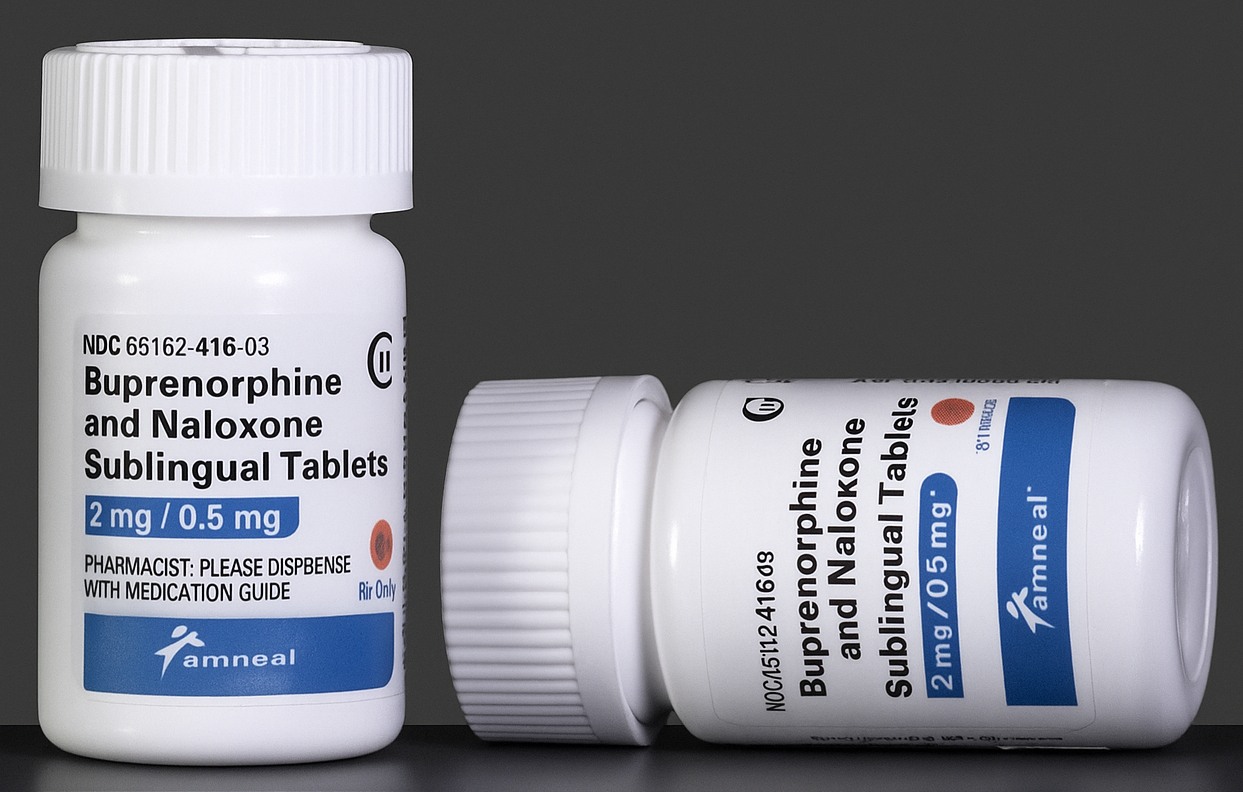
"I will never take another drug to cover up the drug I'm using."
64 year-old male
"I've used Suboxone in jail and I don't really like it. I don't like the taste of it and the way that you have to hold it under your tongue for a little bit of time and let it dissolve.
Because usually, if it gets into your saliva, then you end up swallowing it and then that's all bad. Because it will tear your stomach up."
40 year-old male
The narratives of our participants lay the ground for the need for multi-component opioid use disorder treatment interventions.
Our participants' candor about their experiences and lives suggest that opioid use disorder treatment interventions would necessarily have to address racial trauma in healthcare, management of chronic pain, intergenerational substance use disorders, reluctance to medications for opioid use disorder, recovery support, and harm reduction.
Regarding next steps, we are developing a multi-component opioid use disorder treatment intervention that addresses the above-mentioned needs and is acceptable to patients and providers in community health clinics.
We are especially grateful to the 50 women and men who participated in an interview. The successful recruitment of participants for the study was significantly aided by the support and contributions of various community organizations in Los Angeles and Oakland, California.
Sincere gratitude is extended to these organizations.
The opioid crisis affects everyone
but is devastating black californians
at a disproportionate rate.
These are real people:
our neighbors, our loved ones, our communities.
Research reported on this page was supported by the National Institute on Drug Abuse of the National Institutes of Health under award number: DP1DA058978 (Principal Investigator: Sabrina L. Smiley)
The content is solely the responsibility of the authors and does not necessarily represent the official views of the National Institutes of Health.
references
- Trends in Fatal Opioid Overdoses and Opioid-Related Emergency Department Visits Among the Black Population in California, 2011-2022
- Buprenorphine Treatment Outcomes Among Racially/Ethnically Diverse Adults at California Emergency Departments Participating in the California Bridge Patient Outcomes Research Evaluation Study
- Helena Hansen, MD PhD interview recordings
- History of Racism in Healthcare